
Giant Hogweed, also known as hogweed, is an invasive plant species that may cause harm to your health and the plant ecosystem. There is currently no proven case of hogweed in Newmarket. There are a variety of plants that are normally mistaken as hogweed.
Giant Hogweed identifiers
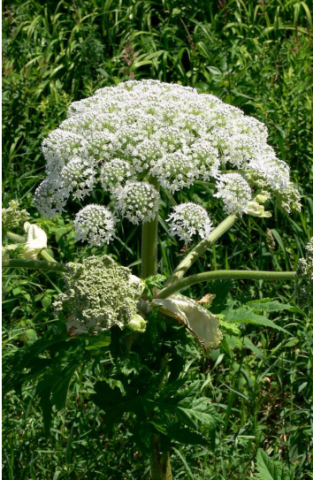
- Height: 8 to 14 feet tall
- Leaves: Sharply and unevenly lobed (up to 5 ft. long), hairy below
- Stems: 2 to 4 inches in diameter, hollow and ridged with purple blotches and coarse hairs
- Flower: White umbel, 12 to 20 inches wide with 50 to 150 rays, flat-topped
Negative effects of hogweed
The clear watery sap from hogweed contains toxins that can cause severe burns if the sap touches your skin. The sap can also cause further damage if your skin is exposed to sunlight. Symptoms usually occur within 48 hours and consist of painful blisters. If you come in contact with hogweed:
- Wash the affected area with soap and cold water immediately
- Keep the area away from sunlight for 48 hours
- Contact your family doctor for questions and/or treatment
How hogweed spreads
Hogweed seeds produced by the plant can spread along the watercourses, by animals and by people.
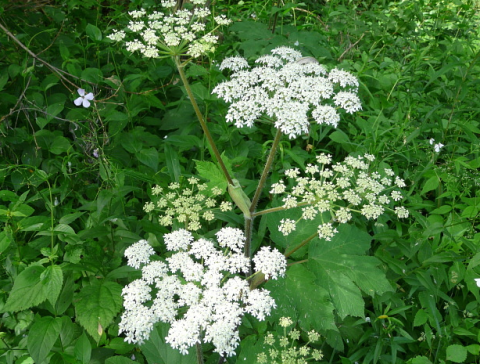
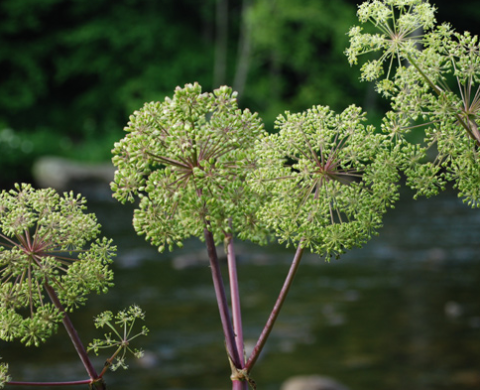
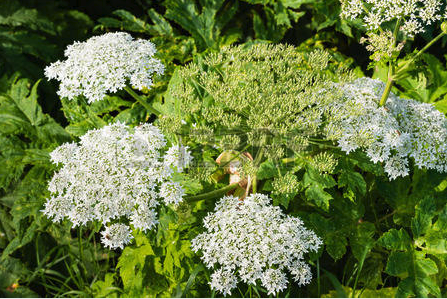
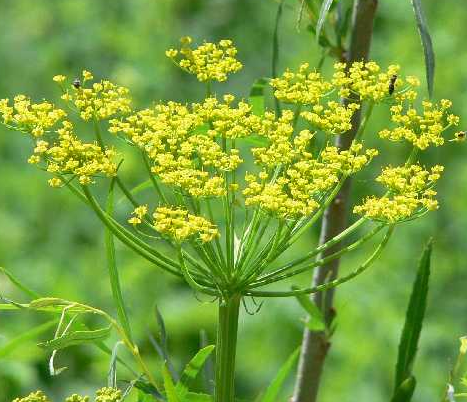
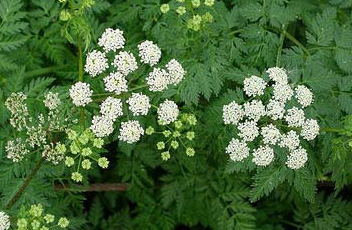
Plants commonly mistaken as hogweed
Report hogweed sightings
If you suspect hogweed on Town of Newmarket property, please contact the Town of Newmarket at 905-895-5193. Newmarket's By-laws department will will go out to inspect the plant and determine if it is hogweed. If you suspect hogweed on your private property, please contact a professional to remove the plant.