
Pesticides are traditionally chemical solutions, used to kill insects and weeds. Insecticides, herbicides, fungicides and rodenticides are all considered common types of pesticides. Newmarket's Pesticide Use By-law [PDF/51KB] prohibits the use of pesticides on private and public property.
Health risks
There are several health risks associated with the use of pesticides. Mild poisoning in a person can be detected after exposure to even low doses of pesticides.
Chemical pesticides can:
- Cause respiratory problems
- Cause skin rashes, blistering or redness
- Result in lung injury, if ingested
- Cause nausea, vomiting, abdominal cramps, headaches
- Produce nose bleeds
- Bring on asthma
- Be dangerous to human health if ingested, inhaled, exposed to bare skin or in contact with a person's eyes
Chemical pesticides are the leading causes of poisonings in Canada. Children and pets are generally considered to be most at risk of pesticide related health problems. Pregnant women are also highly susceptible, due to weakened immune systems.
Environmental risks
There are many ways that using pesticides can harm the environment.
Chemical pesticides can:
- Contaminate groundwater
- Harm wildlife by producing genetic defects
- Destroy beneficial bugs like earthworms and bees (natural predators of pests)
Pesticide-free Newmarket
In keeping with the Town's commitment to the environment, Newmarket's Pesticide Use By-law [PDF/51KB] prohibits the use of pesticides on private and public property. Doing so will encourage a more natural approach to caring for lawns and gardens, which is good for your pets, your health and your community.
Chemical pesticide alternatives
There are a number of organic pesticide products on the market now and also many insecticides, fungicides and herbicides that people can make at home. Treating your lawn and garden with these naturally based organic mixtures are a great alternative to using traditional pesticides.
Another option is to incorporate beneficial bugs into your garden, such as ladybugs. Ladybugs are the natural predators of aphids, which are highly destructive to plants.
Lucy the Ladybug
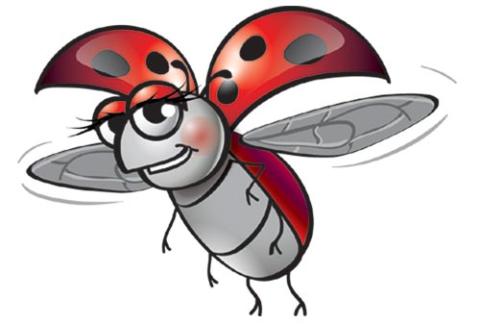
Lucy the ladybug is Newmarket's pesticide free expert. She travels around Newmarket to spread the word on how you can maintain a healthy lawn without the use of pesticides.
- Name: Lucy T. Ladybug
- Age: unknown (a lady never tells)
- Hometown: Newmarket, Ontario
- Hobbies: Flying through Fairy Lake, shopping on Main Street and gardening
- Favourite food: Aphids (I eat 50 to 60 a day)
Ladybugs are the most popular and widely used beneficial insects for commercial and home use. They eat aphids and other pests that infest your flower and vegetable gardens. Here are 7 reasons we are lucky to have ladybugs!
- Ladybugs are an environmentally natural source to control plant damage.
- Ladybugs eat aphids, whitefly, mealy bugs, scales and mites, which all do damage to your garden.
- Ladybugs are inexpensive to buy (less than $10 per pint).
- Ladybugs are territorial and will stay within your garden throughout the warm weather months.
- Ladybugs are distasteful to other insect predators so they won't disappear from your garden.
- Ladybugs take little effort or involvement from the homeowner. Just release them and they start to work!
- Ladybugs are family friendly! Almost universally considered lucky, ladybugs are loved for their appearance and won't scare children or bother adults.