
Stormwater
Where does our stormwater go?
Water from rain and snow melt naturally and soaks into the ground in a process called infiltration. Infiltration through the ground filters the water, recharges drinking water sources, and provides a constant flow to streams and waterways. As Newmarket grows and urbanizes, houses, roads, parking lots, and other hard surfaces prevent water from infiltrating into the ground. The disruption to the natural water cycle means rain and snow melt runs off to other areas as stormwater runoff.
Image
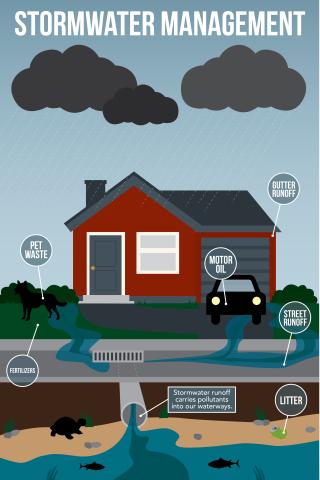
Historically, municipalities dealt with stormwater runoff by draining it away from buildings and roads as quickly as possible through underground pipes, discharging directly into the nearest stream or river. Some stormwater runoff in the Town is still dealt with in this manner; it is uncontrolled.
Uncontrolled stormwater leads to many problems such as:
- Flooding
- Erosion of streambanks
- Sediment build up in culverts
- Degradation of aquatic habitats
- Pollution of fresh water resources
It is a common misconception that when water enters the storm sewer, or 'grate' in the road, it gets cleaned at a treatment facility before being released back into Lake Simcoe. The truth is, eventually all stormwater runoff in Newmarket makes its way back to Lake Simcoe, picking up sediment, heavy metals, road salt, and other contaminants along the way.
The map below outlines the various stormwater controls in Newmarket.
Image
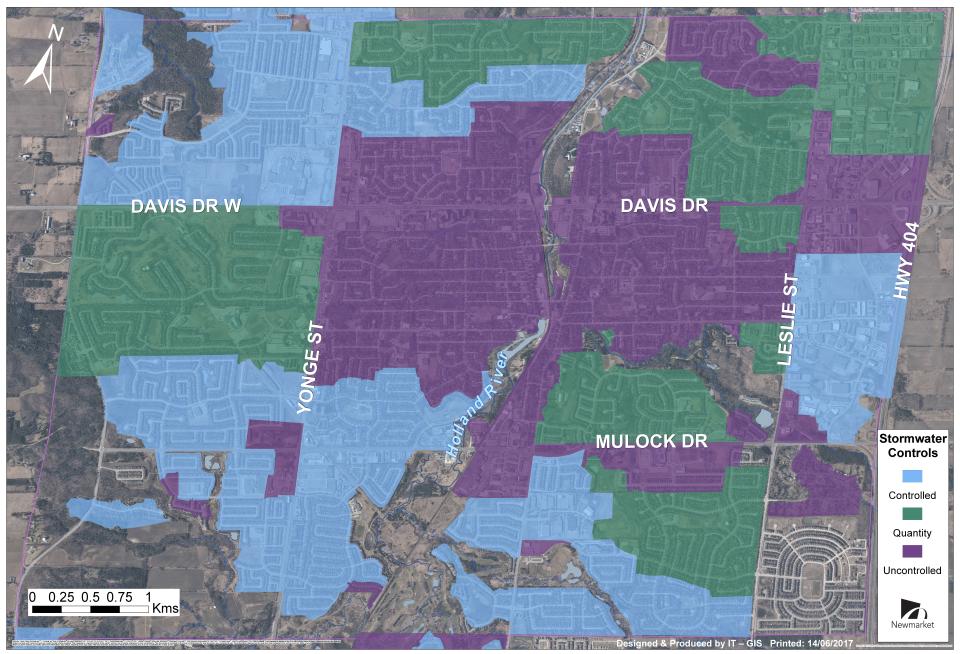
Stormwater Management (SWM) ponds provide some control over the water quantity and quality entering local streams and creeks.
Currently, there are over 100 SWM ponds/facilities in Newmarket; 62 are owned and maintained by the Town (including wet ponds, dry ponds and underground storage). These ponds in the past were considered to be the best practice, but as they do not address upstream problems (i.e. increased runoff from hard surfaces), the Town is looking to provide a combined approach with upstream and downstream solutions. Ponds eventually need to be maintained and cleaned, a potentially costly endeavour; a combined approach will decrease the amount of required maintenance and increase the lifespan of the ponds. Newmarket also has 38 Oil and Grit separators that remove oil and sediment from stormwater in areas where a stormwater pond does not exist.
Read more about what the Town is doing
Stormwater ponds
Image
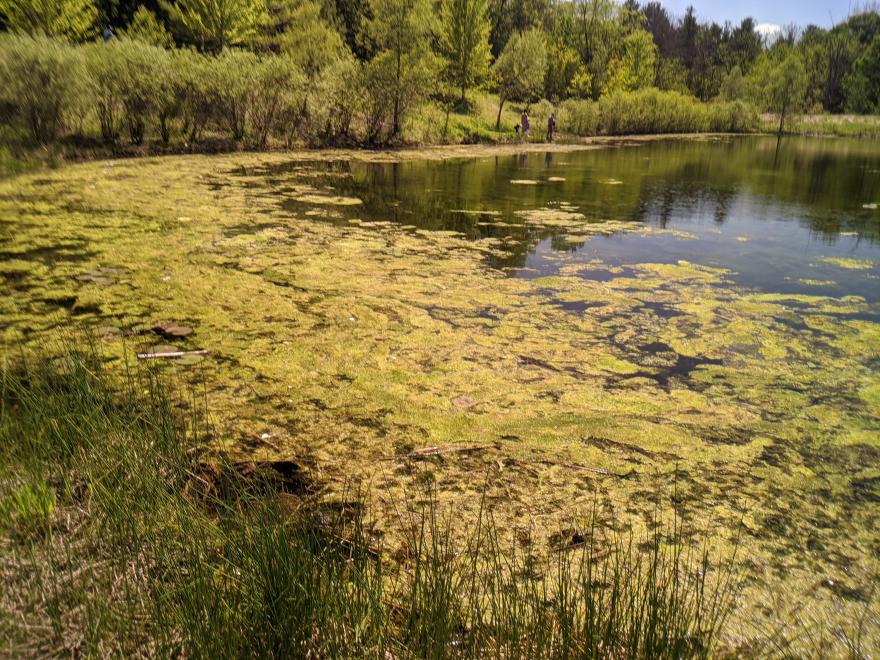
Newmarket has over 65 stormwater management facilities in Town, including more than 50 stormwater management ponds, which store and treat rainwater. Many of the stormwater management ponds are designed to prevent flooding, erosion and improve the quality of water before it is gradually released back into the nearest stream or river. Please take extra caution around these bodies of water and remind children to not play in the area. Stay off of any stormwater pond as they are not safe for use.
The ponds may look safe, but it's what's below the surface that makes them different from regular ponds. As a result, water flow and water levels can fluctuate quickly without warning.
Activities like skating, fishing, swimming or tobogganing are not allowed on any body of water in Newmarket. Please do not dump unwanted fish or aquarium pets in the stormwater ponds.
Let's all do our part and protect the environment from the negative effects of stormwater.